10 Critical Steps After an Amazon Truck Accident
If an Amazon truck hit you yesterday, your first priority is immediate safety and medical attention. Second, get the driver's information, the vehicle number, and the Amazon Logistics or DSP (Delivery Service Partner) name from the door of the truck—most Amazon routes are run by contractors, not Amazon employees, and identifying the actual employer is critical for your claim. Third, call the police and get a report number. Everything after that—photos, witness statements, medical records—builds your case. You have years to sue, not days, but the evidence you gather in the first 24 hours is often the strongest.
Talk to an attorney who handles Amazon, UPS, and FedEx accidents.
Start my review →1. Secure the Scene and Get to Safety
If you're still at the scene and it's safe, move to the shoulder or a nearby parking lot if possible. Turn on your hazard lights. The delivery truck driver—who is probably not an Amazon employee but a DSP driver working under extreme route pressure—is also shaken. Don't discuss fault, damages, or details beyond exchanging basic contact information. If anyone is injured, call 911 immediately. Police responses vary by jurisdiction, but a police report is non-negotiable for any insurance claim. Get the responding officer's name and badge number. Request a copy of the report or the report number; you'll need it within days. Even in a minor-injury crash, having official documentation of the scene—officer observations, vehicle positions, road conditions—is invaluable evidence.
2. Identify the Delivery Company and Employment Relationship
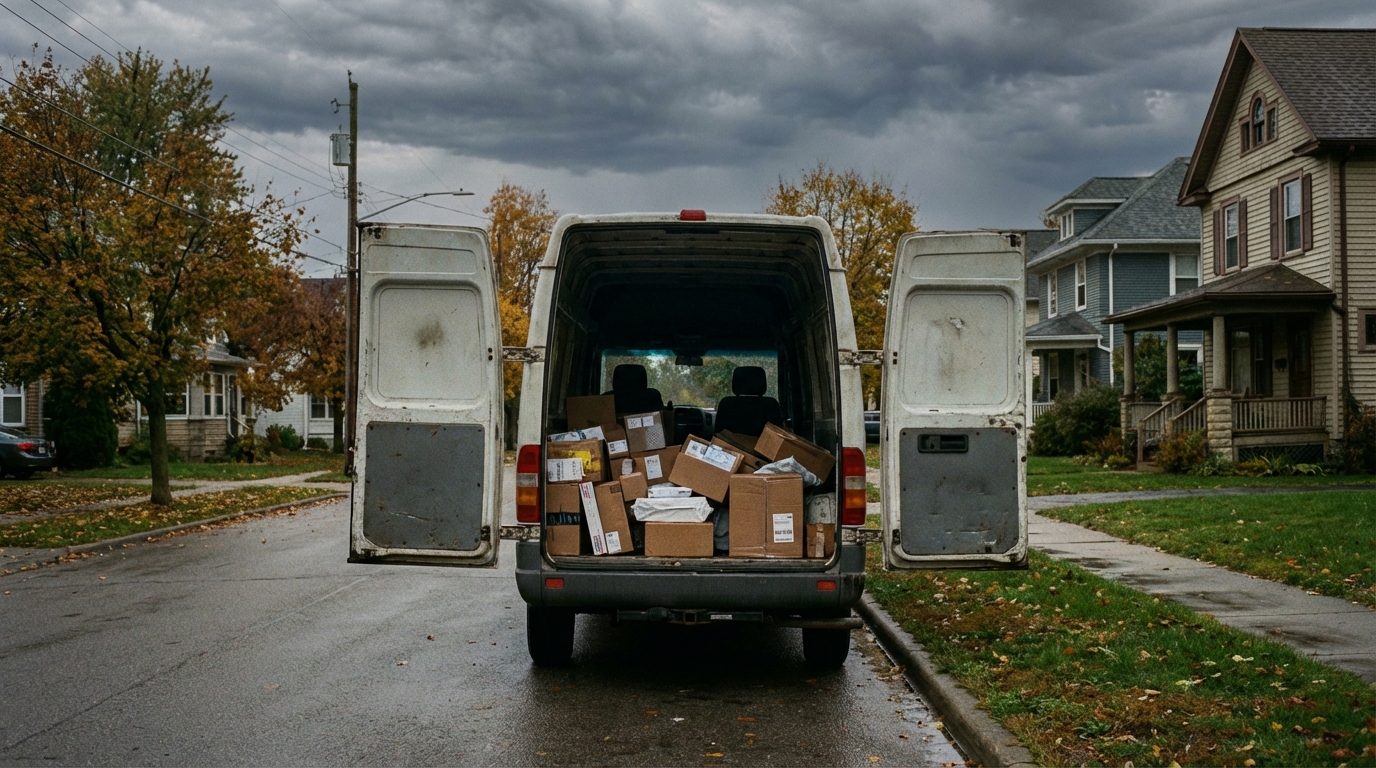
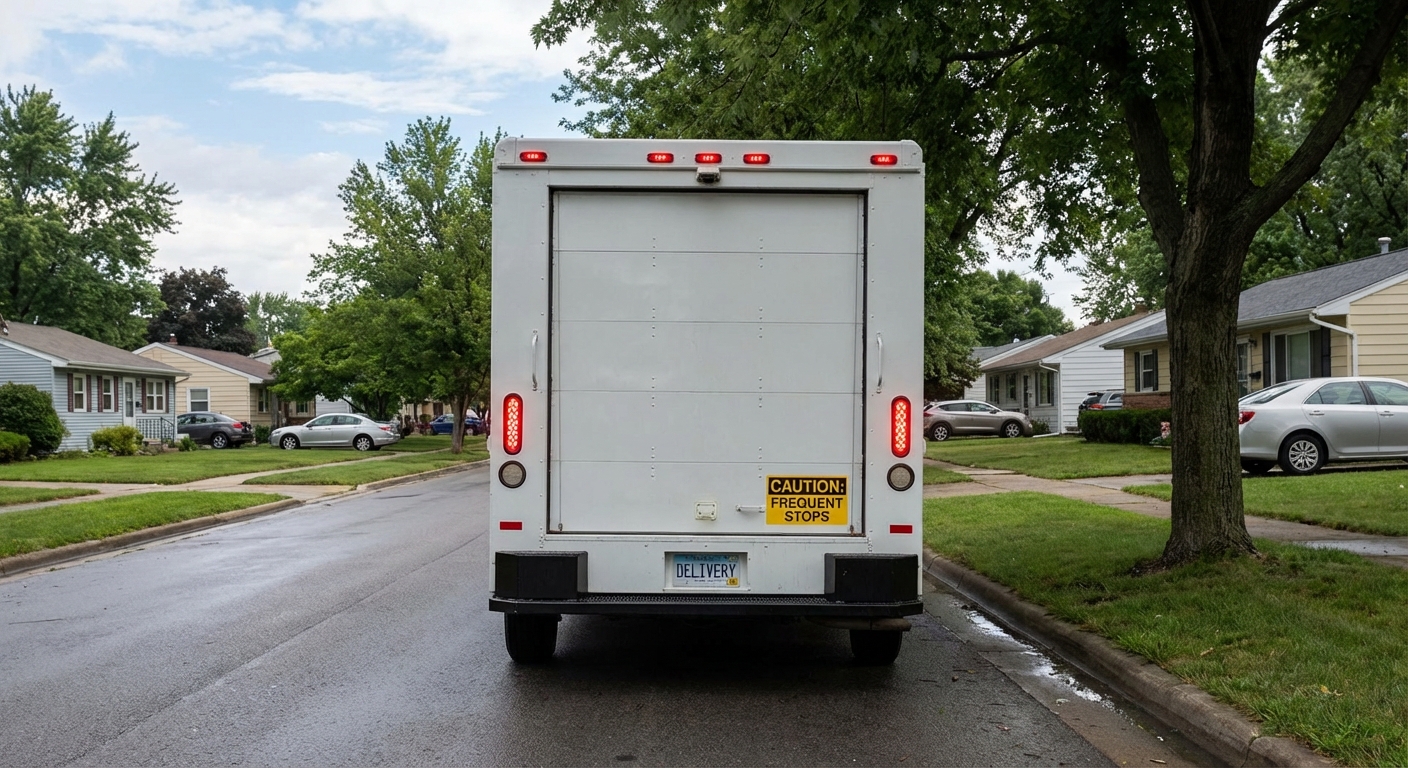
This is the step most people skip, and it costs them thousands. Look at the truck door. If it says 'Amazon Logistics' or a DSP name (like various Amazonfresh contractor operations), write it down. Check the package car's bumper and side panels for company branding. If it's a white Mercedes Sprinter or Ford Transit with an Amazon logo, it might be a DSP vehicle. UPS trucks say 'United Parcel Service' and drivers are unionized. FedEx Ground says 'FedEx Ground' and drivers are contractors. USPS trucks are clearly marked. The employment classification—employee vs. contractor—determines who pays your claim and how quickly. A DSP driver is the employee of the contractor company first, Amazon second. Understanding this relationship is the foundation of your entire case, and it shapes liability discussions months later.
3. Document the Scene with Photos and Video
While you're safe and able, photograph everything: the truck damage, your vehicle damage, the truck's license plate and vehicle number (usually on the door), traffic signals and signage, road conditions, skid marks if visible, and the surrounding area. If you have injuries—bruises, lacerations, anything visible—photograph them immediately (you can always delete later). Get video of the truck and its surroundings if possible. Don't post any of this to social media; insurance companies and opposing counsel monitor accounts actively. Save everything to your phone with timestamps intact, and back it up to cloud storage that day. This evidence often decides disputes later about how the crash happened, who was at fault, and whether the driver was speeding or distracted.
4. Collect Witness Information Before They Leave
Ask anyone who saw the crash for their name, phone number, and email. Ask what they saw—did the truck run a red light? Was the driver looking at a phone or the Rabbit app (Amazon's routing and navigation app)? Did it seem like the truck was moving too fast for conditions? Get their address if they're willing. Don't ask leading questions; just ask them to describe what happened. Witnesses matter enormously because they have no stake in the outcome, and insurance companies take their accounts seriously. In many DSP liability cases, witness testimony to distraction—driver looking at the scanning or routing app instead of the road—becomes key evidence that shifts liability away from the driver and toward the company's negligent management of quotas and route pressure.
5. Exchange Information Carefully
Get the driver's full name, phone number, address, and driver's license number. Get the vehicle identification number (VIN) from the door of the truck if it has a DSP name, or from the Amazon Logistics side if it's Amazon-branded. Get the company's phone number and address (usually on the truck door). Do not admit fault, and don't minimize your injuries. Don't say 'I'm fine' even if you feel okay—shock can hide injuries that appear hours or days later. Don't accept cash or make a deal on the spot. If the driver or their company representative pressures you to settle immediately or sign anything, refuse. Their liability carriers will want to talk to you through your attorney, not on the side of the road.
6. Seek Medical Attention and Keep Records
Go to an ER, urgent care, or your primary doctor within 24 hours, even if you feel fine. Whiplash, internal injuries, and concussions often don't show symptoms immediately. Describe every symptom—neck pain, headache, dizziness, back pain, numbness—to the doctor. Request copies of all medical records and imaging (X-rays, MRI, CT scans) that day. Keep every receipt for medications, medical devices, physical therapy, and copays. Medical records are the financial backbone of your claim. Insurance adjusters use medical evidence to estimate damages. The more comprehensive your medical timeline, the stronger your settlement position. If you delay treatment or don't follow through on doctor recommendations, the defense will argue your injuries aren't serious, which tanks settlement negotiations.
7. Report to Your Insurance and Request Coverage Details
Call your auto insurer within a day and report the crash. Provide the police report number, the other driver's information, and the company information. Your insurer will want to determine liability and whether they'll cover your damages under your collision coverage. Ask your agent: Does your policy cover underinsured motorist (UIM) claims? What's your deductible? What's the policy limit for the at-fault party? If the DSP or Amazon has minimal insurance, your UIM coverage becomes crucial. Your insurer may hire an investigator to visit the scene, photograph the vehicles, and interview witnesses. Cooperate fully with your insurer, but remember—their adjuster works for them, not for you. If damages are high, consider hiring a personal injury attorney immediately.
8. Preserve Digital Evidence of Driver Distraction
If the accident occurred during delivery hours, the truck likely has location data and app-usage logs. Amazon DSP drivers use the Rabbit app for routing, navigation, and stop verification. These apps generate timestamps and show whether the driver was looking at the app at the moment of the crash. Request preservation of 'electronically stored information' (ESI)—the driver's phone records, app logs, location history, and delivery records for that route on that date. Your attorney can issue a preservation letter to the DSP and Amazon demanding they keep this data. Do this before the DSP's standard data-retention policies erase the logs (some companies retain data for 30 days, some for a year). This evidence often proves negligence or distraction far more clearly than eyewitness testimony alone.
9. Know the Statute of Limitations in Your State
You have time, but not forever. Most states give you 2-3 years to file a personal injury lawsuit for a car accident, but some allow only 1 year or as many as 4 years. Some states start the clock from the date of injury; others use the 'discovery rule' (the clock starts when you discover your injury). Don't rely on memory about the deadline. An attorney can tell you exactly when your statute of limitations expires for your specific case and state. Even if you settle with insurance before then, you'll want to know your deadline so you don't accidentally waive your legal right to sue. Missing the deadline means losing your case, period, regardless of strength.
10. Hire an Attorney if Damages Are Significant
If your medical bills exceed $5,000, you have ongoing pain, or your vehicle is totaled, an attorney is worth the investment. Most personal injury attorneys work on contingency—you don't pay unless you win or settle. An attorney can negotiate with the DSP's insurer, ensure all damages are accounted for (pain and suffering, lost wages, future care), and file a lawsuit if the insurer refuses a fair settlement. They'll also handle the complexity of figuring out whether the DSP, Amazon, or both are liable based on the employment relationship and your state's laws on vicarious liability. Attorney fees typically run 25-40% of a settlement or judgment, which is far less than the additional recovery they often secure.
Frequently asked questions
Is the Amazon driver actually an Amazon employee?
Usually not. Most Amazon delivery trucks are operated by Delivery Service Partners—independent contractors who run their own logistics operations for Amazon. The driver works for the DSP, not Amazon directly. However, Amazon can still be liable under vicarious liability laws if the DSP was acting as Amazon's agent or if Amazon controlled route pressure and time quotas. Both the DSP and Amazon may be named in a lawsuit.
How much time do I have to file a lawsuit?
Most states allow 2-3 years from the date of the accident, but some allow only 1 year or as many as 4 years. A few states use the 'discovery rule,' which can extend the deadline if your injuries appear later. Don't wait. Contact an attorney within weeks of the accident to confirm your state's exact deadline and ensure you don't lose your rights.
Should I post about the accident on social media?
No. Insurance adjusters and opposing counsel monitor social media accounts. Posts about the accident, photos of injuries, jokes about how you're 'fine,' or complaints about pain can all be used to minimize your damages or argue you exaggerated your injuries. Keep all accident details offline until your case is settled.
What if the insurance company is lowballing my settlement offer?
Get a second opinion from a personal injury attorney. They can review the insurer's offer, calculate what your damages are actually worth (medical bills, lost wages, pain and suffering, future care costs), and negotiate on your behalf. If the insurer refuses a reasonable settlement, your attorney can file a lawsuit. The threat of litigation often moves settlement negotiations significantly.
Tom Reeves has analyzed delivery truck crash patterns for Amazon, UPS, FedEx, and last-mile carriers for 7 years. He is not an attorney and does not provide legal advice.